
Top Trends in Merchant Services Across Europe
MH
Introduction to Merchant Services Trends
In the dynamic landscape of merchant services across Europe, businesses are continually evolving to meet the demands of a digital-first economy. From innovative payment solutions to enhanced customer experiences, understanding the latest trends in merchant services is crucial for staying competitive. This blog post delves into the top trends shaping the industry today.
Contactless Payments Surge
The rise of contactless payments is a significant trend that has swept across Europe. With the convenience and speed they offer, contactless transactions have become a preferred choice for consumers. The adoption of NFC (Near Field Communication) technology allows customers to make quick payments without the need for physical contact, making it both a safe and efficient option.
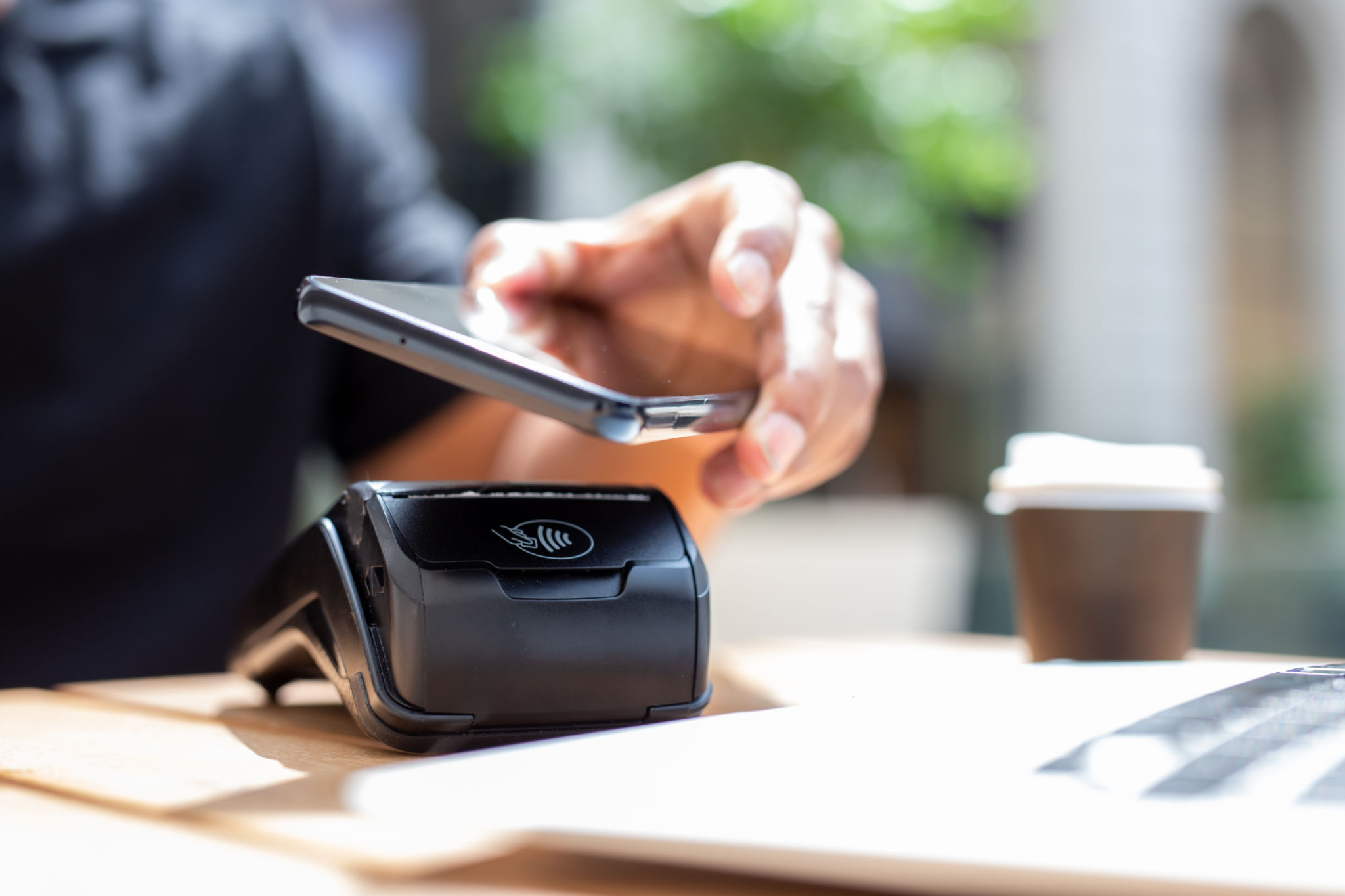
Contactless payments are not only popular with consumers but also with merchants who benefit from faster transaction times and reduced cash handling. Retailers are increasingly investing in POS systems that support these transactions to enhance customer satisfaction and streamline operations.
Mobile Wallets and Digital Payment Solutions
Mobile wallets have gained traction as a convenient way to store payment information and make purchases both online and in-store. Solutions such as Google Pay, Apple Pay, and Samsung Pay are leading the charge, offering users a seamless payment experience directly from their smartphones.
In addition to mobile wallets, digital payment platforms like PayPal and Stripe are expanding their services to cater to a growing European market. These platforms provide businesses with tools to manage payments efficiently while offering customers a secure way to complete transactions.

Enhanced Security Measures
As digital transactions increase, so does the need for enhanced security measures. Merchant services providers are implementing advanced security protocols such as tokenization and encryption to protect sensitive customer data. These measures help in reducing fraud and building trust with consumers.
Moreover, compliance with regulations such as the General Data Protection Regulation (GDPR) is critical for businesses operating in Europe. Ensuring that customer data is handled with care and transparency is vital for maintaining a positive reputation.

Integration of AI and Machine Learning
The integration of artificial intelligence (AI) and machine learning in merchant services is revolutionizing how businesses operate. These technologies are being used to analyze consumer behavior, predict trends, and enhance customer experiences through personalized recommendations.
AI-driven chatbots and virtual assistants are also streamlining customer service processes, offering real-time support and reducing response times. This not only improves customer satisfaction but also allows businesses to allocate resources more efficiently.
Sustainability and Ethical Practices
As consumers become more environmentally conscious, merchants are increasingly focusing on sustainability and ethical practices. This trend is reflected in the rise of eco-friendly payment options and the support of businesses that prioritize sustainable operations.
For instance, some payment providers offer digital receipts instead of printed ones, reducing paper waste. Additionally, partnerships with ethical suppliers and transparent business practices are becoming key differentiators for merchants across Europe.
Conclusion
Staying abreast of these trends is essential for merchants seeking to thrive in Europe's competitive market. By embracing new technologies, enhancing security measures, and adopting sustainable practices, businesses can not only meet the evolving demands of consumers but also position themselves for long-term success.