
How to Seamlessly Integrate Payment Solutions into Your E-Commerce Platform
MH
Understanding the Importance of Payment Integration
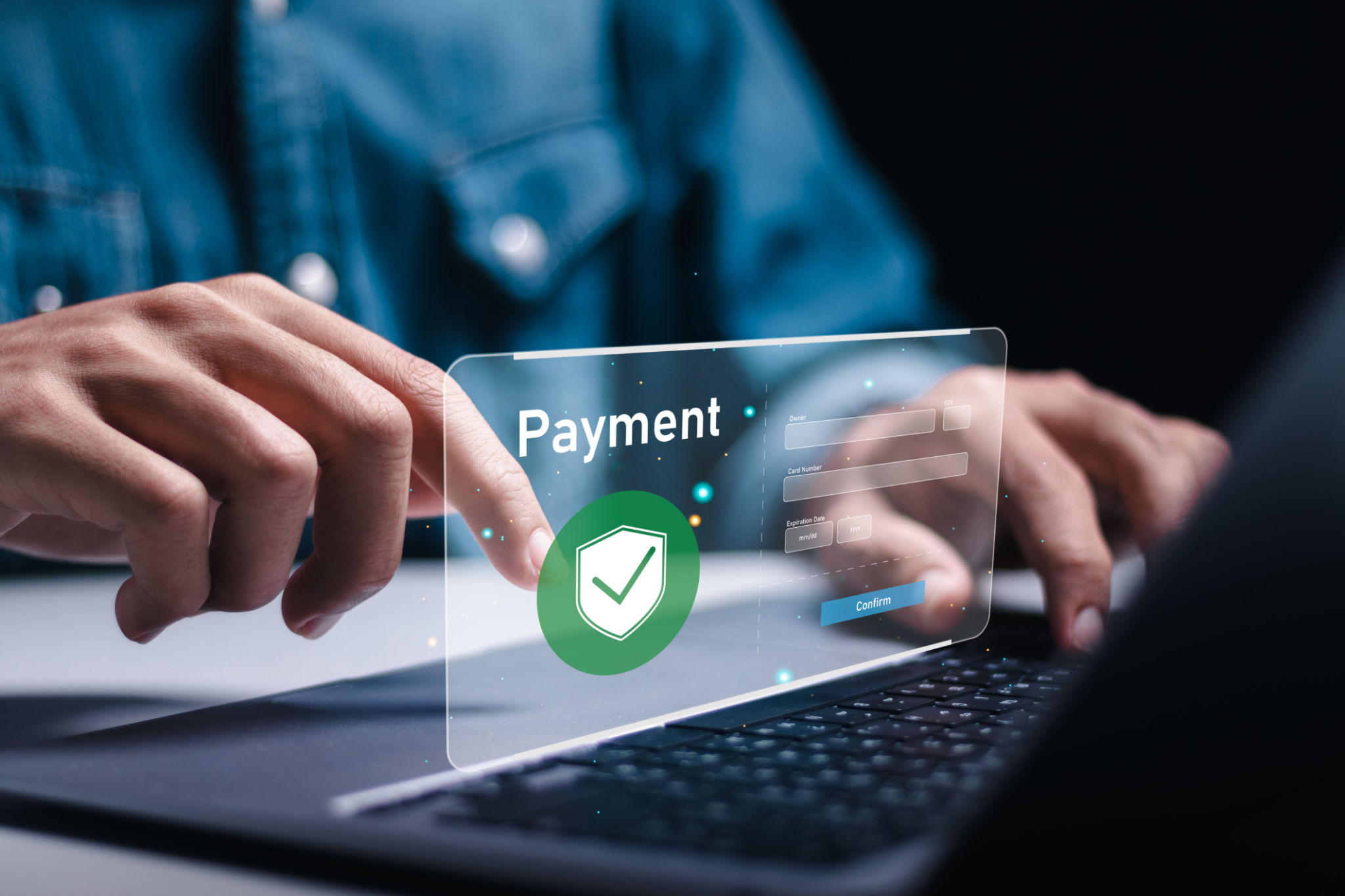
In the dynamic world of e-commerce, offering a seamless payment experience is crucial for customer satisfaction and retention. Integrating payment solutions into your platform is not just about processing transactions; it's about ensuring security, enhancing user experience, and building trust with your customers. A well-integrated system can lead to higher conversion rates and customer loyalty.
Choosing the right payment solution requires careful consideration of various factors. From transaction fees to global reach, and from security features to ease of use, there are multiple elements that need to align with your business model and customer expectations.
Choosing the Right Payment Solution
The first step in integrating a payment solution is selecting the right provider. Consider the following factors when making your decision:
- Fees and Costs: Analyze transaction fees, setup costs, and any hidden charges.
- Supported Payment Methods: Ensure the provider supports multiple payment methods like credit cards, digital wallets, and bank transfers.
- Security Features: Look for robust security measures like encryption and fraud detection.
- Global Reach: If you have an international customer base, opt for a solution that supports multiple currencies and languages.
Once you've selected a provider, it's time to move on to integration. This process can vary in complexity depending on your platform and the payment solution you've chosen.
Simplifying the Integration Process
Integrating a payment solution can be straightforward with the right approach. Here's a step-by-step guide to ensure a smooth process:
- API Documentation: Thoroughly review the API documentation provided by your chosen payment solution. This will help in understanding the steps required for integration.
- Test Environment: Utilize the test environment or sandbox offered by most providers. This enables you to experiment with different scenarios without affecting live transactions.
- Customization: Customize the payment gateway interface to match your brand's aesthetics. A consistent look and feel enhance user trust and experience.
Ensuring Security and Compliance
Security is paramount when dealing with online payments. Your customers entrust you with their sensitive financial information, and it's your responsibility to protect it. Here are some essential security measures:
- SSL Certificates: Ensure your e-commerce platform has an active SSL certificate to encrypt data transferred between the server and the client.
- PCI Compliance: Adhere to PCI DSS standards to protect cardholder data and reduce security breaches.
- Regular Audits: Conduct regular security audits to identify vulnerabilities and implement necessary updates.
Staying compliant with global regulations like GDPR can also impact how you handle customer data. Understanding these regulations is crucial to avoid potential legal issues.
Enhancing User Experience
A seamless payment process significantly enhances the overall user experience on your e-commerce platform. Consider the following strategies to optimize user interaction:
- Simplified Checkout: Minimize the number of steps required to complete a purchase. A one-page checkout can reduce cart abandonment rates.
- Mobile Optimization: Ensure your payment gateway is mobile-friendly, as more customers use smartphones for online shopping.
- Multiple Payment Options: Offering various payment methods caters to diverse customer preferences and increases satisfaction.
Monitoring and Continuous Improvement
After successfully integrating your payment solution, continuous monitoring is essential. Track key metrics like transaction success rates, error rates, and customer feedback to identify areas for improvement. Implementing a feedback loop can provide valuable insights into user experiences and potential issues that need addressing.
Regularly updating your payment system ensures compatibility with new technologies and security standards. Staying informed about industry trends can also help you anticipate customer needs and adjust accordingly.
Integrating a payment solution is not a one-time task but an ongoing process that requires attention and adaptation. By focusing on these aspects, you can provide a seamless, secure, and efficient payment experience for your customers, ultimately driving growth for your e-commerce platform.