
Contactless Transaction Trends in Europe: What Businesses Need to Know
MH
Understanding the Rise of Contactless Transactions
In recent years, contactless transactions have soared in popularity across Europe. This trend was accelerated by the COVID-19 pandemic, as consumers sought safer and more hygienic ways to pay. As a result, businesses must adapt quickly to keep up with these changes and meet consumer expectations.
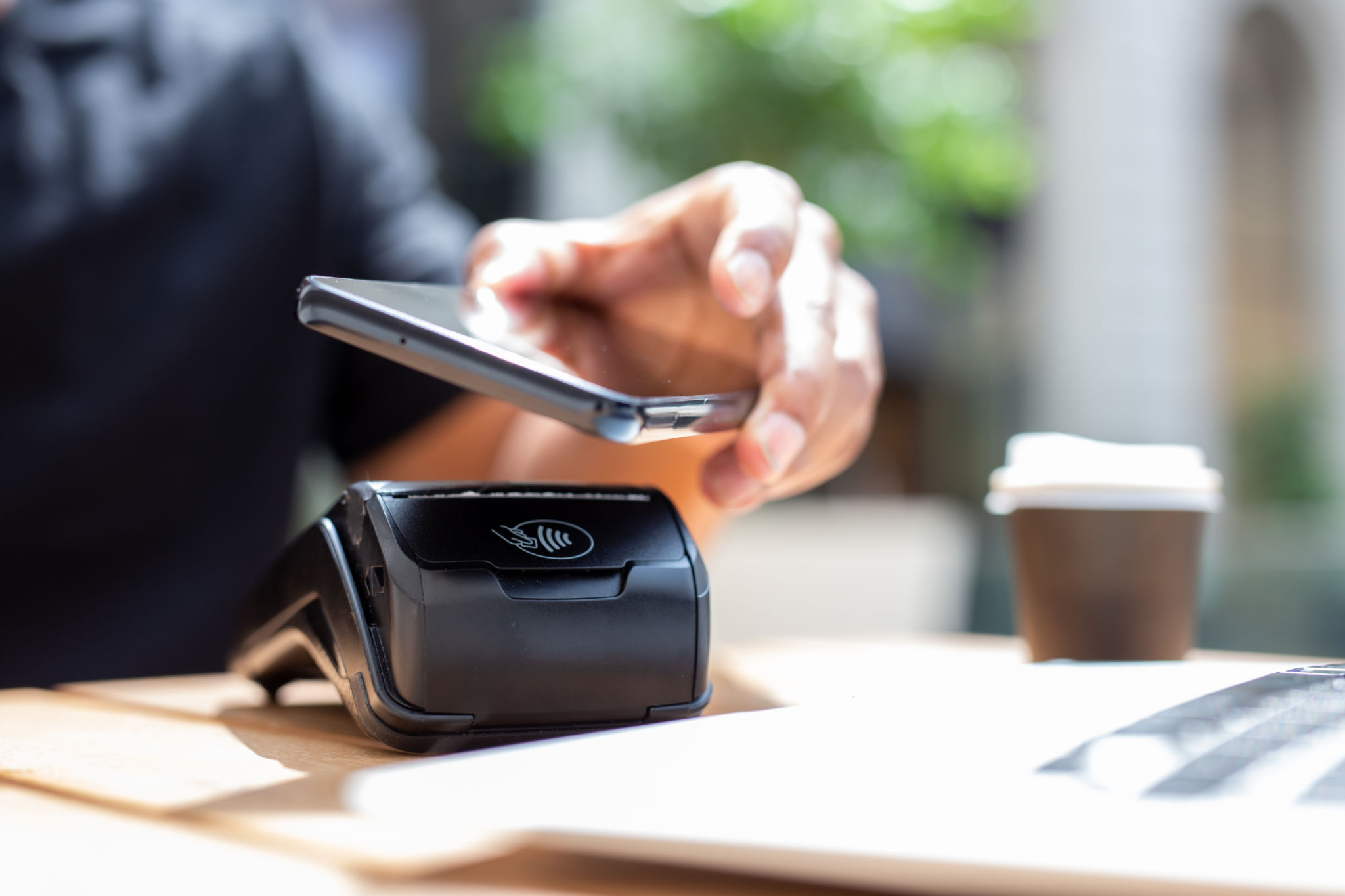
Contactless payment methods, such as cards, mobile wallets, and wearable devices, offer convenience and speed, allowing customers to complete transactions with just a tap. For businesses, this can mean shorter queues, faster checkouts, and improved customer satisfaction.
Adoption Across Different Sectors
The adoption of contactless transactions varies across different sectors in Europe. Retail and hospitality industries have been at the forefront, benefiting greatly from the efficiency these payments provide. Meanwhile, sectors like transportation and healthcare are increasingly integrating contactless systems to enhance user experiences.
For instance, many public transport systems in major European cities now support contactless payments, allowing for seamless travel experiences. Healthcare facilities are also adopting these technologies to streamline processes and reduce physical contact.
The Role of Financial Institutions
Financial institutions play a crucial role in the proliferation of contactless transactions. Banks and credit card companies are continually updating their offerings to include contactless features, often setting spending limits to ensure security while embracing this technology.
Businesses need to collaborate with these institutions to implement the latest payment technologies. Staying informed about updates and innovations from financial partners can provide a competitive edge.
Security Concerns and Solutions
While contactless transactions offer numerous benefits, they also raise security concerns. The ease of use can make them susceptible to fraudulent activities if not properly managed. However, advancements in encryption and tokenization technologies have significantly mitigated these risks.

Businesses should ensure they are using the latest security measures to protect their customers' data. Regular audits and updates to payment systems can help in maintaining high-security standards.
Consumer Behavior and Expectations
Understanding consumer behavior is essential for businesses looking to thrive in the contactless era. Many consumers now expect businesses to offer contactless payment options as a standard service. Meeting these expectations can enhance customer loyalty and attract new clientele.
Moreover, transparency regarding transaction fees and clear communication about payment options can foster trust between businesses and consumers.
The Future of Contactless Transactions in Europe
The future looks promising for contactless transactions in Europe. As technology continues to evolve, we can anticipate even more innovative payment solutions becoming mainstream. Businesses that stay ahead of these trends will likely reap significant benefits.
Investing in contactless technology not only meets current consumer demand but also prepares businesses for future advancements, ensuring they remain competitive in an ever-changing market.

In conclusion, adapting to contactless payment trends is not just an option but a necessity for businesses in Europe. By understanding different sectors' needs, collaborating with financial institutions, addressing security concerns, and aligning with consumer expectations, businesses can successfully navigate the evolving landscape of digital payments.